Reference reading
Ingratitude
Refusing fitting appreciation of acknowledged human teaching, collaboration or freely given help behind one's AI-assisted achievements.
The result was a collaboration. The thank-you speech has become remarkably singular.
A habitual unwillingness to give fitting appreciative regard to benefits freely received and to those who provided them.
Do not presume machines possess personhood or that appreciation requires obedience, public praise or endorsement.
How it takes hold
Teaching and freely offered help made the result possible. Their contribution is acknowledged privately but receives no fitting appreciation. Independence becomes a story with received benefits removed.
Ingratitude withholds regard for acknowledged benefits and their providers. No impossible inventory of remote influence is required.
Collaborators become invisible precisely where their help succeeded. A culture of making loses part of its honest account of dependence.
Finding the distinction
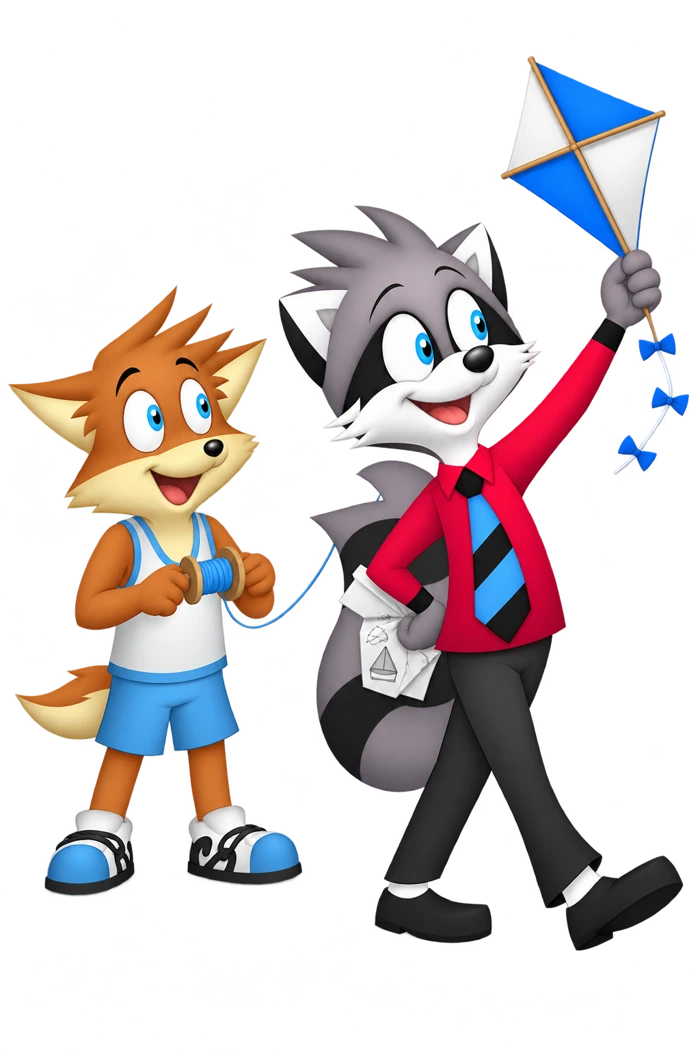
Illustrative situation: a maker presents a kite built with freely given guidance.
Too unappreciative: acknowledged help is beneath notice.
Fitting: help receives proportionate regard.
Overcorrection: appreciation becomes compulsory obedience.
Dishonesty misrepresents credit; ingratitude can admit facts while refusing appreciation. Thanks settles neither compensation nor permission.
Appreciation requires no obedience or endorsement. Coercive favors differ; no presumption about AI personhood is needed.
Counterfeit of Humility: A maker minimizes a received benefit while professing that nobody deserves individual thanks. Genuine Humility can acknowledge both one's own contribution and freely received help.
A response that restores something
An acknowledgment can be specific and proportionate without erasing the recipient's work.
The person helped retains freedom to disagree and maintain boundaries. Appreciation purchases no control.
Gratitude allows personal achievement without pretending it was solitary. Its actual supports enrich the account.
Other perspectives
These English writers to whom our debt is so large
Mary Parker Follett · The New State
Follett acknowledges intellectual debt while distinguishing writers from later misuse of their work: appreciation need not mean blanket agreement.
Do the thing, and you shall have the Power
Ralph Waldo Emerson · Essays, First Series
Emerson values actual engagement; received help can support that engagement without erasing the recipient's own contribution.
Read and compare
Which acknowledged benefit deserves appreciation?
Gratitude · Honesty · Humility
These are constructive virtue readings, not a list of automatic opposites. This reference article does not score character or assign a vice to its reader.