Read freely · 11 virtues
Dog’s Virtues
Borrow the spirit of a warm welcome and a shared game while keeping human judgment and boundaries.
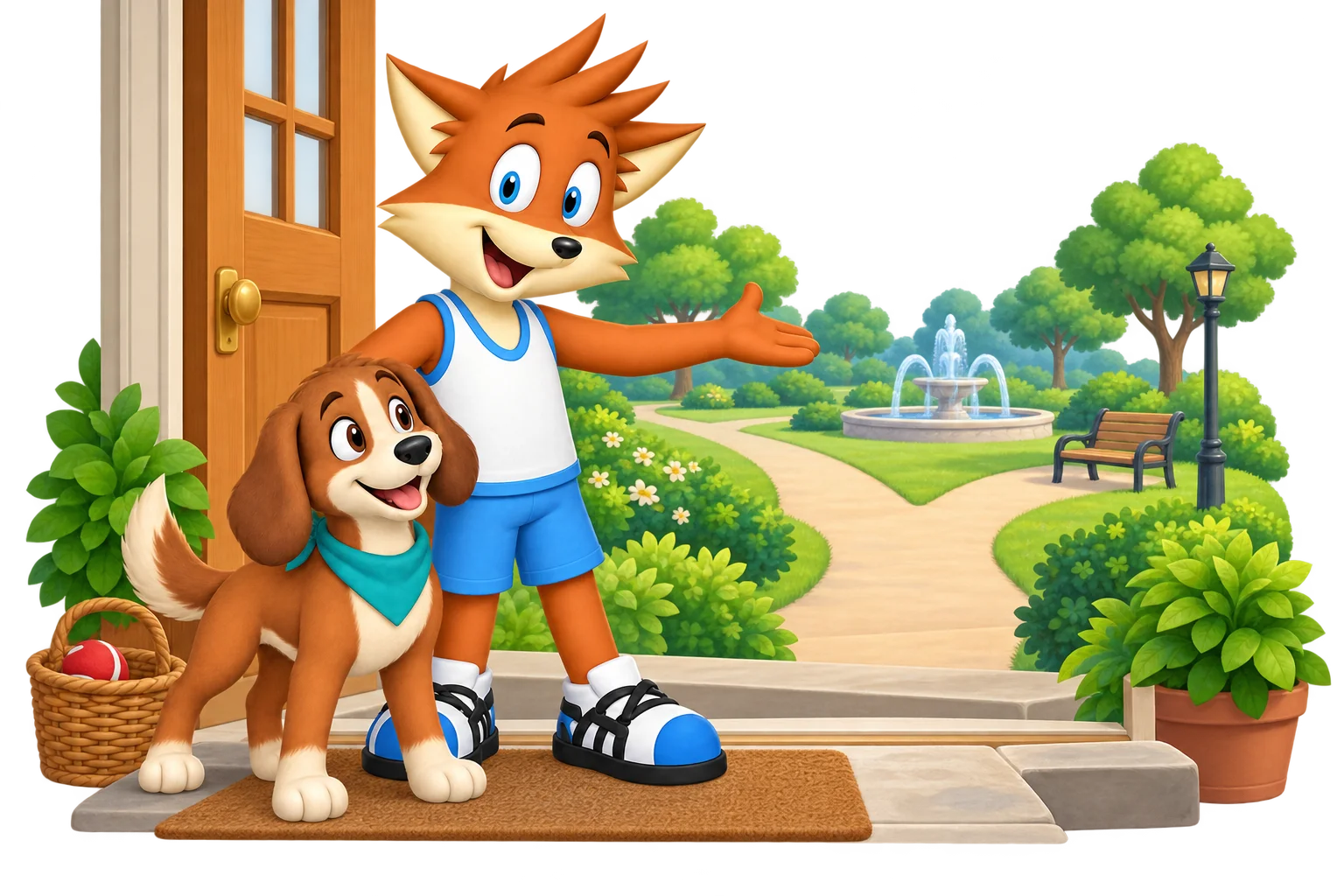
A dog at the door can make an ordinary return feel like the event of the day. A ball may come back with magnificent optimism; a quiet dog may simply settle beside sorrow. These moments are not moral instructions from animals. They are vivid prompts for asking what welcome, play and faithful company require from people.
Human warmth gains something dogs do not need to supply: judgment about consent, evidence, promises, power and freedom. Dog’s Virtues follows each animal moment into a new human choice, where affection becomes more trustworthy because nobody has to perform, obey or stay.
11 virtues · 11 weeks per program cycle
11 virtues to practice
- 01
Hospitality
Make a welcome visible without demanding instant closeness in return.
- 02
Attentiveness
Notice when quiet company would help more than an energetic greeting.
- 03
Playfulness
Invite someone into harmless fun and accept when they would rather watch.
- 04
Sincerity
Express affection you mean instead of performing enthusiasm to secure approval.
- 05
Patience
Allow someone time to respond without turning your eagerness into pressure.
- 06
Benevolence
Take pleasure in another person's good day without needing a share of the credit.
- 07
Generosity
Offer companionship in a way that respects both people's needs.
- 08
Discernment
Let evidence guide trust instead of treating every friendly approach as safe.
- 09
Self-Respect
Keep a boundary even when affection makes you eager to please.
- 10
Gentleness
Match your enthusiasm to the comfort of the person receiving it.
- 11
Nonpossessiveness
Welcome a loved person's freedom to enjoy company other than yours.
Warmth with judgment and room to breathe
Hospitality makes arrival easier; Attentiveness notices which kind of company is wanted. Playfulness offers delight without conscription, Sincerity says what affection can honestly promise, and Patience leaves another person time to answer.
Benevolence enjoys another person’s good; Generosity offers what helps without buying attention. Discernment lets trust grow by evidence. Self-Respect keeps affection from purchasing agreement, Gentleness adjusts strength to the receiver, and Nonpossessiveness lets closeness survive separate paths.
What these virtues make possible
These virtues can make arrival less awkward, play more voluntary, affection more candid and companionship less possessive. They can help a person celebrate good news, offer a useful share, wait without hovering and keep a boundary without withdrawing love. They cannot certify a stranger, repair every relationship or turn enthusiasm into consent.
Dog’s Virtues in ordinary life
At the doorway
Tell a newcomer where coats, water and quieter seats are, then let them choose their own entrance.
The returned ball
Offer one harmless amusement. If the answer is no, keep the invitation light by ending it there.
Quiet company
Ask whether a discouraged friend wants company, help or solitude instead of arriving with a complete rescue plan.
The friendly claim
Enjoy an easy first conversation while checking any claim that would affect health, money, privacy or safety.
Two paths
Choose different rooms, talks or tasks for a while and make a real plan to meet again.
Related collections
Friend Virtues develops mutual companionship; Good Neighbor Virtues concerns shared local life. Dog’s Virtues uses a playful image of greeting and loyalty to examine welcome, trust, chosen company and humane limits.
Explore Friend Virtues · Explore Good Neighbor VirtuesChoose one ordinary exchange
Read one page each week. Try its bounded ordinary action, then notice both effects: did the action create connection, and did it leave the other person free? Eleven weeks make one cycle and forty-four weeks make four; reading alone remains worthwhile and skipped exercises create no debt.
One cycle takes 11 weeks; four cycles take 44 weeks. My Virtues may contain any nonempty eligible selection.
Try it today
Make one form of company easier and optional. Offer a place, a little information, a harmless game or ten quiet minutes once; let the response belong to the other person.
Questions worth returning to
What would make this arrival easier without demanding a performance?
What kind of company has the other person actually chosen?
Which next degree of trust is supported by evidence?
Where would a direct request replace a loyalty test?
Keep warmth proportionate
Dog moments here are literary and observational images, not animal-behaviour science, training advice or a claim that animals bear human moral responsibility. Warmth never overrides consent, privacy, household agreement, reliable evidence or safety. Do not turn risky encounters, coercion or serious relationship harm into character experiments.
About these practices — DisclaimerTake one useful question with you
Read at your own pace, follow the eleven-week cycle, or make a selection in My Virtues. Begin with one welcome that remains optional.